
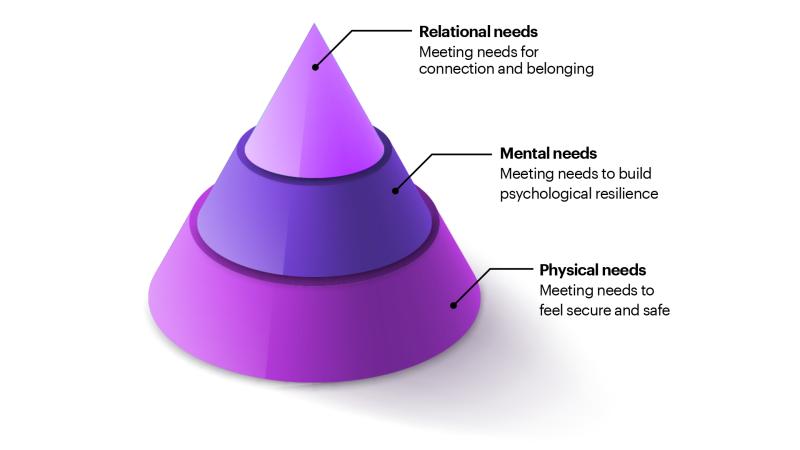
The foundation of trust lies in a leader’s ability to address people’s physical, mental, and relationship needs. While all are equally important, addressing them in the right order can make the biggest impact. Here are 10 practical steps leaders can take to foster trust and elevate their teams:
1. Gather Comprehensive Feedback
Seek input from every area of the organization and all types of workers. Inclusive feedback ensures diverse perspectives are heard and valued.
2. Eliminate Unnecessary Tasks
Relieve employees from redundant work and low-priority activities to reduce burnout and improve focus on meaningful tasks.
3. Educate and Empower Leaders
Train leaders on five critical elements:
- Stakeholder inclusion
- Emotion and intuition
- Mission and purpose
- Technology and innovation
- Intellect and insight
4. Embrace Cross-Functional Teams
If you haven’t already, adopt cross-functional, agile teams to encourage collaboration, adaptability, and innovation.
5. Elevate Compassionate Leaders
Promote leaders who demonstrate genuine care and empathy. Visibility and kindness inspire trust and engagement across the organization.
6. Align Purpose with Actions
Incorporate your organization’s purpose and values into every communication, project, and initiative to create consistency and integrity.
7. Share Stories, Not Just Data
Data informs, but stories inspire. Focus on sharing the larger narrative and key insights that connect emotionally with your audience.
8. Foster Consistent Communication
Bring leaders together to align on messaging and ensure regular, open communication with teams.
9. Accelerate Human-Machine Collaboration
Support employees as they transition to digital workspaces. Focus on aligning technology with human needs for greater productivity and efficiency.
10. Prioritize the Future
Dedicate two hours daily to tasks and strategies focused on preparing your organization and workforce for future challenges and opportunities.
By implementing these actions, leaders can cultivate trust, foster growth, and drive their organizations toward a successful and sustainable future.
Source: Accenture

 ramonamills.com
Leave a comment