
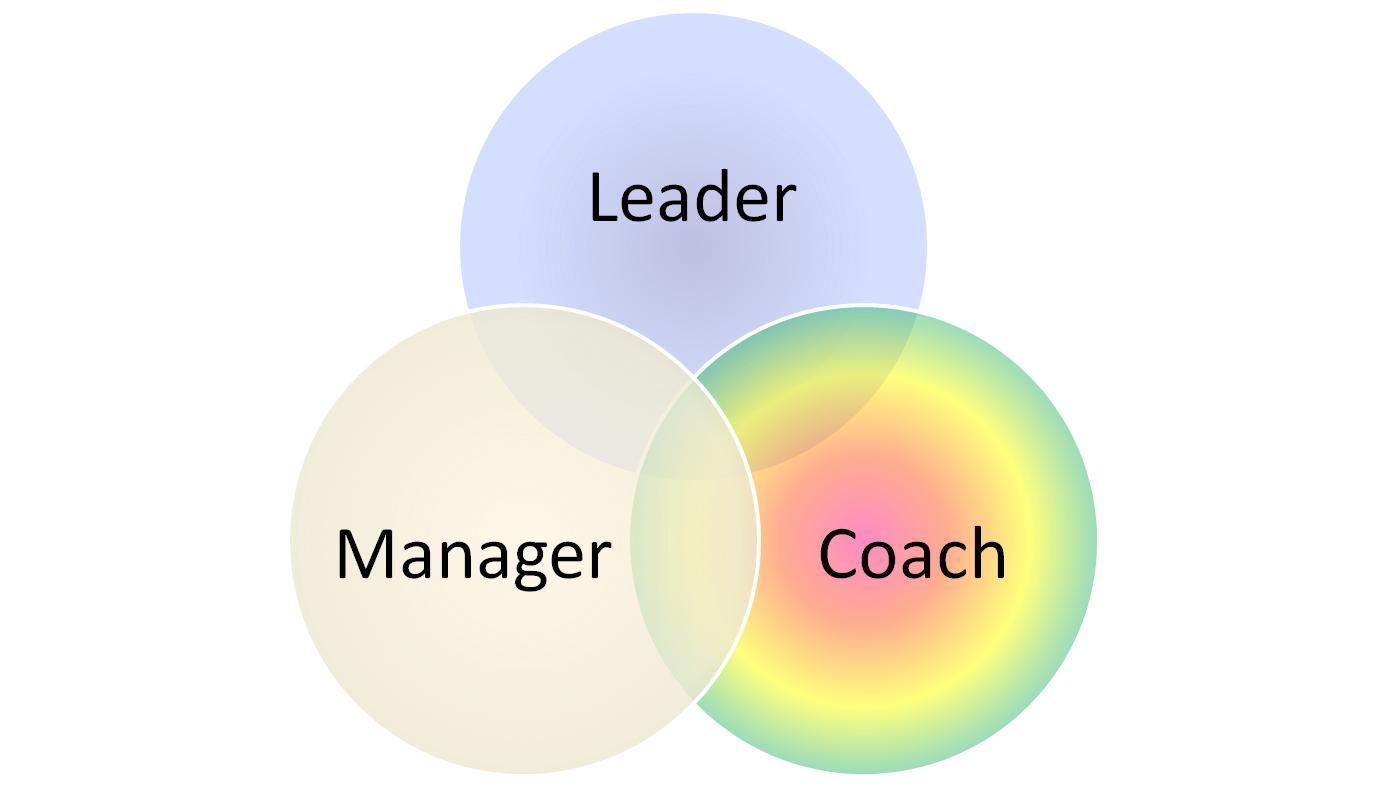
Coaching is just as vital in the workplace as it is in sports. A coach’s role is to encourage, support, and motivate, bringing out the best in their team members. The foundation of effective coaching lies in providing frequent, in-the-moment performance feedback, while tailoring approaches to the skill level of each employee.
Coaching Stages by Employee Skill Level
1. Novices
- Stage: The “telling” phase of learning.
- Needs: Significant instruction and constructive correction to build their foundational skills.
- Coaching Tip: Be mindful of micro-managing. Encourage independence as they gain confidence in their abilities.
2. Doers
- Stage: Developing but not yet mastering their tasks.
- Needs: Continued “tell” coaching alongside encouragement of new behaviors. Praise them for their successes to foster growth.
- Coaching Tip: Balance instruction with positive reinforcement to motivate progress.
3. Performers
- Stage: They reliably carry their share of the workload and complete tasks to standard.
- Needs: Feedback should focus on recognizing accomplishments and identifying areas for improvement.
- Coaching Tip: Shift from frequent direction to refining their skills and celebrating their contributions.
4. Masters
- Stage: Accomplish tasks efficiently and effectively while demonstrating expertise.
- Needs: Opportunities to train and coach others, leveraging their deep understanding of processes.
- Coaching Tip: Encourage leadership development by involving them in mentoring and team-building efforts.
5. Experts
- Stage: Highly self-sufficient, with the ability to guide others.
- Needs: Minimal direction; they thrive on autonomy.
- Coaching Tip: Empower them to lead initiatives and share their expertise across the organization.
Effective coaching is a thoughtful, adaptable process. By recognizing where each employee stands in their development journey, leaders can provide tailored feedback that drives growth, engagement, and performance.
Source: Biz Library

 ramonamills.com
Leave a comment