
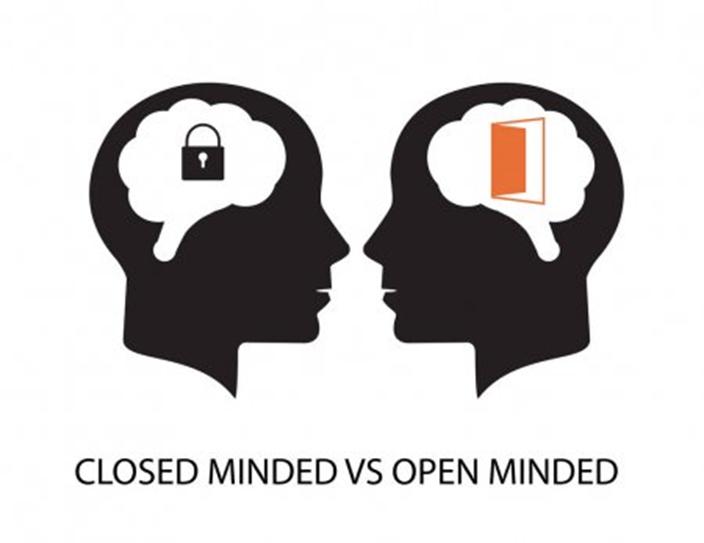
Understanding the distinction between closed-mindedness and open-mindedness can illuminate interpersonal dynamics and foster healthier conversations. Here are seven key ways to distinguish between the two, along with real-world examples:
1. Perspective on Ideas
- Closed-Mindedness: Avoids having their ideas challenged, often dismissing dissenting views outright.
- Example: A manager rejects a new process proposed by a team member without listening, saying, “This is how we’ve always done it.”
- Open-Mindedness: Curious about the root of disagreements and seeks to explore different perspectives.
- Example: Instead of shutting it down, an open-minded manager asks, “What benefits would this change bring?” fostering discussion.
2. Statements vs. Questions
- Closed-Mindedness: More likely to make definitive statements rather than ask questions.
- Example: A coworker insists, “That strategy won’t work.” without explaining why or seeking alternative perspectives.
- Open-Mindedness: Recognizes they could be wrong and asks genuine questions to deepen understanding.
- Example: Instead, they say, “That’s interesting, what challenges do you anticipate with this approach?”
3. Focus of Interaction
- Closed-Mindedness: Prioritizes being understood rather than understanding others.
- Example: In a debate, someone repeatedly asserts their opinion without acknowledging counterpoints.
- Open-Mindedness: Feels compelled to see things through others’ eyes, fostering empathy and connection.
- Example: An open-minded person says, “I hadn’t thought about it that way, tell me more.”
4. Communication Style
- Closed-Mindedness: Phrases opinions rigidly, e.g., “I’m right, and here’s why.”
- Example: A leader tells their team, “This is the only way to move forward.” without hearing alternative solutions.
- Open-Mindedness: Adopts humility, saying things like, “I could be wrong, but here’s my perspective,” while knowing when to make statements versus asking questions.
- Example: A leader frames their input as, “I’ve had success with this approach, but I’m open to hearing other ideas.”
5. Interaction Dynamics
- Closed-Mindedness: Blocks others from speaking, dominating conversations.
- Example: In meetings, someone constantly interrupts, steering discussions toward their own agenda.
- Open-Mindedness: Values listening over speaking, welcoming input from all parties.
- Example: An open-minded individual intentionally pauses to say, “I’d love to hear your thoughts on this.”
6. Cognitive Flexibility
- Closed-Mindedness: Struggles to hold multiple thoughts simultaneously, viewing ideas as conflicting.
- Example: Someone dismisses a colleague’s perspective, thinking “That contradicts my belief, so it must be wrong.”
- Open-Mindedness: Takes in others’ thoughts without losing their ability to think critically and synthesize concepts.
- Example: They respond with, “This challenges my perspective in an interesting way, I’ll need to reflect on it.”
7. Sense of Humility
- Closed-Mindedness: Lacks humility and operates from a belief in their inherent correctness.
- Example: A leader refuses to acknowledge mistakes, claiming “I always make the right call.”
- Open-Mindedness: Approaches situations with a fear they may be wrong, fostering deeper reflection and learning.
- Example: An open-minded leader admits, “I might have overlooked something, what’s your take?”
Fostering open-mindedness leads to stronger relationships, collaborative problem-solving, and mutual respect. By identifying these traits, you can better navigate conversations and encourage meaningful dialogue.
Principles by Ray Dalio

 ramonamills.com
Leave a comment