
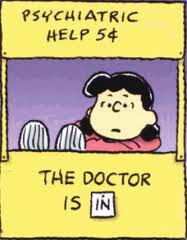
Offering guidance to others is often simpler than applying the same wisdom to our own lives. When we’re too close to a situation, emotions can cloud our judgment, making it difficult to see solutions objectively.
The Danger of Surface-Level Opinions
It’s tempting to seek reassurance from those who tell us what we want to hear, but advice rooted in appeasement lacks true benefit. Short-term comfort rarely leads to meaningful progress. Instead of seeking validation, we should pursue wisdom that challenges and refines us.
The Value of Discernment
The best advice comes from those with experience, honesty, and a willingness to speak the truth, even when it’s difficult to hear. However, receiving guidance is only the first step. Applying discernment ensures that the advice is usable, workable, and realistic rather than blindly accepted.
The Essence of Good Advice
True guidance possesses three key elements:
- Fairness—grounded in balance rather than bias.
- Truthfulness—offered with sincerity, even if it’s uncomfortable.
- Impact—leading to improvement and a clear path forward.
When advice aligns with these principles, it serves as a catalyst for growth rather than mere words of comfort. Choose wisely, evaluate deeply, and embrace wisdom that propels you toward your best self.

 ramonamills.com
Leave a comment