
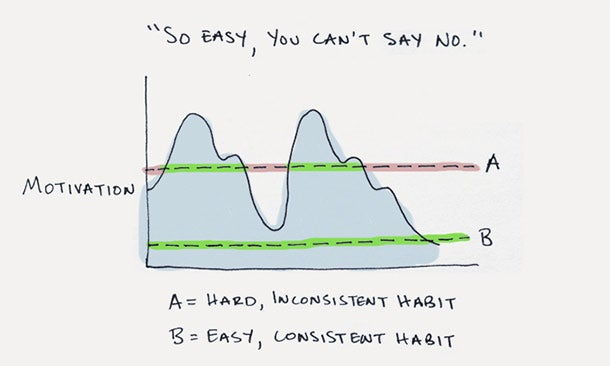
Many people believe motivation is the key to change. It’s inspiring, but inconsistent. Some days, it’s high; other days, it disappears entirely. Real transformation happens when habits and systems take the lead, creating environments where positive behaviors become second nature.
Step 1: Redefine How You Approach Change
Waiting for motivation is a trap. It comes and goes, making progress unreliable. Instead:
✔ Prioritize habits – small, daily actions build identity shifts more effectively than bursts of energy. Instead of waiting on motivation to workout, commit to walking 10 minutes every morning.
✔ Automate reinforcement – design structures that make consistency effortless (e.g., scheduled check-ins, environment tweaks). If you’re trying to read more, place a book on your pillow every morning so it’s the last thing you see at night.
✔ Remove the guesswork – create cues that make the right behavior the default, not the exception. Want to eat healthier? Prep meals in advance so good choices are effortless, and bad choices require extra effort.
Step 2: Build a System That Works for You
The brain craves patterns. The more automatic you make a habit, the easier it is to sustain.
✔ Reduce friction – make positive habits easy and undesirable habits inconvenient. Keep workout clothes next to your bed so getting dressed and moving requires minimal thought.
✔ Leverage accountability– commit publicly or with peers to keep progress intentional. Join a challenge where friends check in with you daily, making consistency a shared commitment.
✔ Track visually – seeing small wins builds momentum and reinforces commitment. Use a habit tracker or a simple calendar where you mark each successful day. It builds momentum when you see progress.
Step 3: Drop the “All-or-Nothing” Mentality
Many people abandon change because they think small setbacks mean failure. Instead, embrace the process:
✔ Celebrate small wins – consistency compounds, leading to lasting transformation. If you can’t do a full workout, do five minutes. Momentum matters more than perfection.
✔ Reframe failure – every setback is a learning opportunity, not a dead-end. If you skipped a day, acknowledge it without guilt, reflect on interrupted progress, and adjust your system.
✔ Focus on the process, not just the outcomes – true progress happens when behavior change becomes automatic. Want to write a book? Set a daily word goal rather than waiting until you feel “ready.”
💡 Try this: Identify one habit you’re working on and tweak your environment to make it easier.
Image: James Clear

 ramonamills.com
Leave a comment