
Personality-based assessments have provided valuable insights into our unique characteristics and how we interact with coworkers. When used effectively, they can help cultivate respectful and productive organizational cultures. Still, some conflicts remain deeply rooted in human behavior.
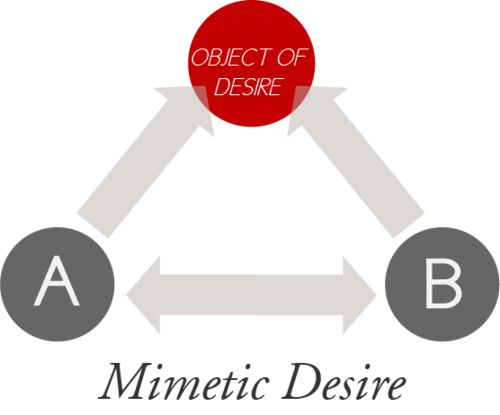
The mimetic theory suggests that much of human interaction is rooted in imitation. In other words, we tend to mimic the desires of those around us, driven by an innate need to compete and gain status.
For instance, an entry-level employee may emulate the habits, language, and mindset of the company CEO. However, due to the significant gap in status and authority, this imitation is unlikely to create rivalry. On the other hand, a person with specialized expertise might initially appreciate a new assistant’s efforts to replicate their tasks and knowledge. But if the assistant’s skills begin to rival or surpass theirs, tension may arise, potentially leading to friction or toxic work environments.
This reaction stems from a deep-seated fear of losing one’s unique contributions or perceived importance. When we feel someone is encroaching on our “territory,” it can manifest in behaviors like undermining others, resisting teamwork, or backstabbing. However, accepting that we are not equals to those we admire, or even to those who emulate us, does not detract from our own value. Instead, it highlights the importance of embracing individuality while fostering collaboration.
To build healthier workplace relationships, we must recognize and address these dynamics. By focusing on shared goals and supporting each other’s growth, we can create environments where everyone’s contributions are valued without fear or competition.
Source: HR Florida Review

 ramonamills.com
Leave a comment