
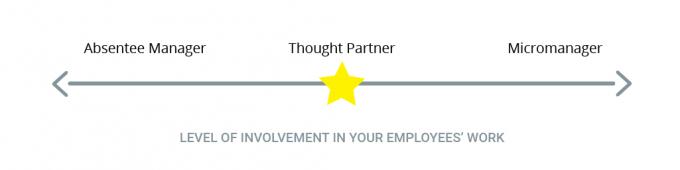
It’s not uncommon for entrepreneurs to struggle with the transition from doer to leader. As a result, they are often perceived as ineffective managers during this critical shift. Two common patterns emerge: the micromanager and the absent manager.
Imagine these roles through the lens of a restaurant server:
- The Micromanager: Continuously interrupts your dinner conversation, creating frustration instead of support.
- The Absent Manager: Vanishes for far too long, leaving you searching for assistance.
Why do entrepreneurs fall into these patterns? Two prevailing beliefs offer clarity:
1. “I Can Do It Faster/Better Myself”
Entrepreneurs often have hands-on experience, which leads to frustration when employees don’t meet their standards or take too long. While this approach may work short term, the mindset of “I know best” fosters micromanagement and stifles team growth.
2. “Get Out of the Way and Let People Do Their Jobs”
On the other extreme, some entrepreneurs relinquish too much control. Without guidance, employees risk losing alignment with organizational goals, becoming stuck, or encountering avoidable challenges.
Finding Balance
The sweet spot lies between these extremes. Regularly check in with direct reports, hold them accountable, and provide guidance while allowing space for autonomy and growth. This balance nurtures both trust and team development.
Not every entrepreneur is a natural leader, and that’s okay. Surrounding yourself with individuals whose strengths complement your own is invaluable; especially as your business scales. Together, you can create a cohesive team that thrives on collaboration and shared purpose.

 ramonamills.com
Leave a comment