
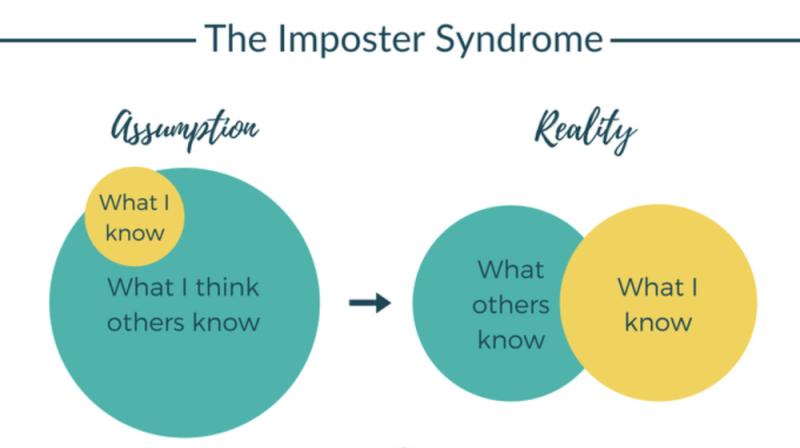
Studies show that 85% of working adults feel inadequate or incompetent at work, and 70% experience imposter syndrome at some point in their careers.
Imposter syndrome refers to a recurring pattern of self-doubt where individuals question their achievements and abilities, even when there’s strong evidence of their success. It often emerges after milestones such as starting a new job, earning a degree, or reaching a significant accomplishment.
Workplace Indicators of Imposter Syndrome
Here are four common behaviors that suggest team members may be struggling with imposter syndrome:
1. Workaholic Tendencies
- Characteristics: Working longer hours than others, rarely taking time off, and struggling to relax.
- Impact: This relentless drive often stems from a belief that hard work is necessary to “prove” one’s worth.
2. Perfectionism
- Characteristics: Never satisfied with anything less than perfection, struggling to delegate tasks, or resorting to micromanagement.
- Impact: Perfectionists may fear criticism or failure, which can lead to burnout and strained relationships.
3. Overemphasis on Independence
- Characteristics: Avoiding asking for help, valuing independence over collaboration, and resisting teamwork.
- Impact: This “strong” persona can isolate individuals and hinder team dynamics.
4. The Need to Be the Expert
- Characteristics: Feeling the need to know everything while constantly seeking more knowledge and facts.
- Impact: These individuals may undervalue their expertise, believing they’ll never know “enough” to succeed.
Recognizing these behaviors is the first step toward supporting team members who might be struggling with imposter syndrome. By fostering open dialogue, emphasizing strengths, and creating a culture that values growth over perfection, leaders can help their teams thrive with confidence.
Source: Training Journal

 ramonamills.com
Leave a comment