
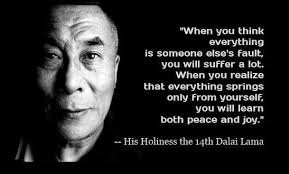
There’s no escaping yourself. Wherever you go, your thoughts, decisions, and actions follow. Blaming others may provide temporary relief, but it prevents real growth. True change begins when you accept responsibility for your own choices and circumstances.
Breaking the Cycle of Repeated Mistakes
Shifting blame is a natural defense mechanism, often fueled by guilt or fear. However, avoiding accountability keeps patterns of failure intact. Until you acknowledge your role in your struggles, you’ll continue facing the same obstacles, repeating the same errors.
Self-Reflection: A Path to Clarity
When confronted with challenges, take an honest inventory of your thoughts, emotions, and behaviors. Ask yourself:
- Am I contributing to this issue in any way?
- Have I been avoiding responsibility?
- What can I change to create a better outcome?
This process isn’t about self-criticism, it’s about awareness. Understanding the root causes of difficulties empowers you to break unhealthy cycles and create a more intentional path forward.
Embracing Growth Over Deflection
Taking responsibility doesn’t mean blaming yourself for everything, it means recognizing where you have influence over your life and choosing to evolve rather than remain stagnant. Strength comes from self-awareness, adaptability, and the willingness to grow.
In the end, personal accountability isn’t about admitting fault, it’s about owning your power to create a better future.


 ramonamills.com
Leave a comment